specialization
Eye Pressure Test
Protect Your Vision with an Advanced Eye Pressure Test in Faridabad
- Home
- Eye Pressure Test
Many serious eye diseases develop silently without causing pain or noticeable vision changes. One of the most important ways to detect these conditions early is through an Eye Pressure Test in Faridabad. This simple and painless examination measures the pressure inside your eyes, known as Intraocular Pressure (IOP). Monitoring eye pressure helps ophthalmologists identify people who may be at risk of glaucoma and other eye conditions before permanent vision loss occurs.
At Dr. Ruchi Eye Clinic, patients receive comprehensive eye evaluations under the care of Dr. Ruchi (MBBS, DOMS), who has more than 30 years of clinical experience in ophthalmology. The clinic uses Advanced Non-Contact IOP (Air Puff) Technology to perform accurate eye pressure measurements without touching the eye. Combined with personalized patient care and an ethical treatment approach, this technology supports early diagnosis and long-term monitoring of eye health.
It is important to understand that an Eye Pressure Test in Faridabad is a diagnostic screening test, not a treatment. The results help your ophthalmologist evaluate glaucoma risk and interpret your eye health alongside other investigations such as OCT scans, optic nerve examinations, and Visual Field Tests. Whether you require a Non-Contact IOP Test in Faridabad, a Glaucoma Eye Test in Faridabad, or another Eye Diagnostic Test in Faridabad, early testing can play an important role in protecting lifelong vision.
What Is an Eye Pressure Test and Why Is It Important?
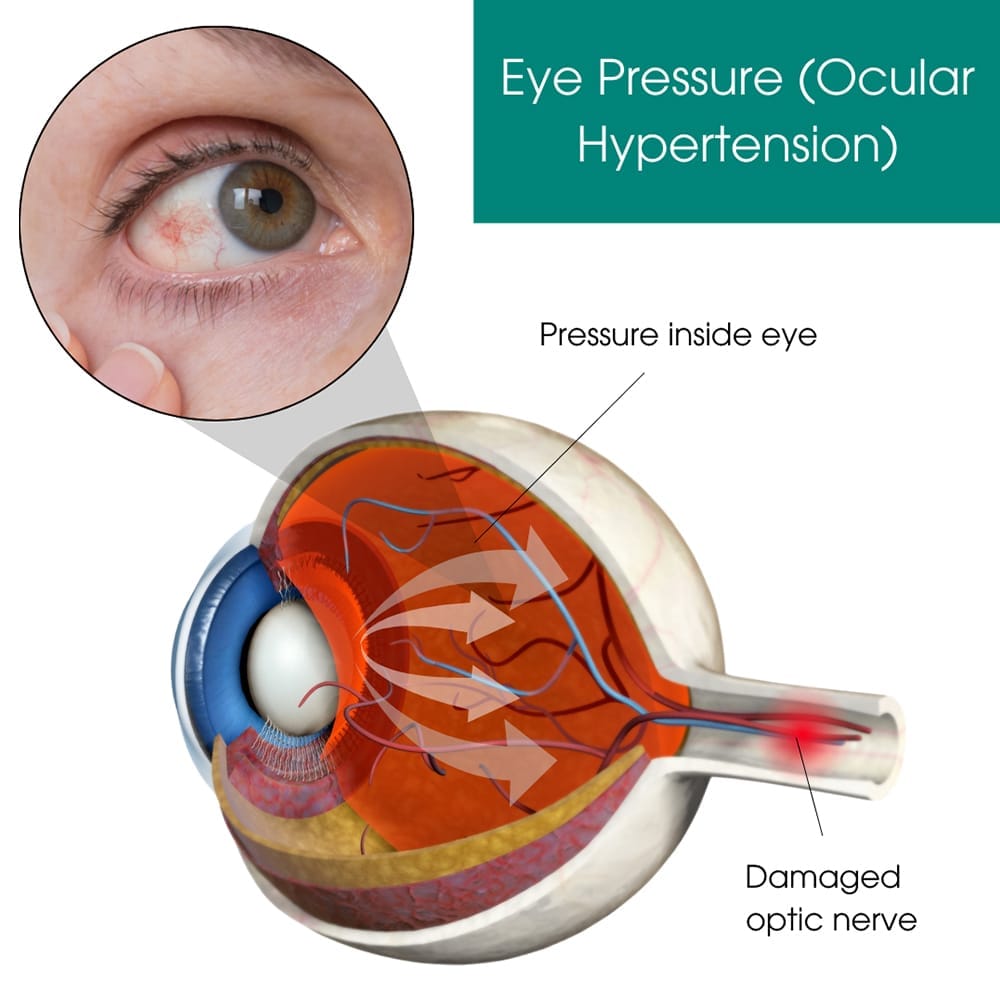
An Eye Pressure Test measures the pressure of the fluid inside your eye, known as intraocular pressure (IOP). Maintaining a healthy eye pressure is essential because excessive pressure may damage the optic nerve, while unusually low pressure can also affect normal eye function. An Eye Pressure Test in Faridabad is one of the most commonly performed investigations during a comprehensive eye examination. It helps detect glaucoma early and allows ophthalmologists to monitor patients who are at risk of developing optic nerve damage.
An eye pressure assessment helps your doctor:
- Measure intraocular pressure (IOP)
- Screen for glaucoma
- Monitor glaucoma treatment
- Evaluate optic nerve health
- Support routine eye examinations
- Detect silent eye disease
- Compare eye pressure over time
- Guide further diagnostic testing
Although eye pressure is an important measurement, it is only one part of a complete eye examination. Your ophthalmologist will always interpret the results together with other clinical findings.
What Does Intraocular Pressure (IOP) Mean?
Inside every healthy eye is a clear fluid called aqueous humor. This fluid is continuously produced and drained to maintain the correct eye pressure. When the production and drainage of this fluid remain balanced, eye pressure usually stays within the normal range.
However, problems can occur if:
- Too much fluid is produced.
- Drainage channels become blocked.
- Fluid cannot leave the eye properly.
- Eye injuries affect pressure regulation.
- Certain medical conditions change eye pressure.
When eye pressure rises, it may gradually damage the optic nerve. This damage can eventually lead to glaucoma and permanent vision loss if not detected early. It is also important to know that normal eye pressure does not always rule out glaucoma. Some people develop optic nerve damage despite having pressure within the normal range, while others have higher pressure without developing glaucoma. For this reason, an Eye Pressure Test in Faridabad is always interpreted together with additional investigations such as OCT imaging, optic nerve evaluation, and Visual Field Testing.
Who Should Get an Eye Pressure Test in Faridabad?
Regular eye pressure screening is recommended for many adults, especially those with known glaucoma risk factors.
Your ophthalmologist may advise an Eye Pressure Test in Faridabad if you:
- Are over 40 years of age
- Have a family history of glaucoma
- Have diabetes
- Have high blood pressure
- Use steroid medications for a long time
- Experience blurred vision
- Have unexplained eye discomfort
- Need a routine comprehensive eye examination
- Have previously been diagnosed with glaucoma
People with glaucoma often do not notice symptoms during the early stages. Regular screening allows eye specialists to identify changes before permanent vision loss develops. At Dr. Ruchi Eye Clinic, every patient receives a detailed eye evaluation based on their symptoms, medical history, and individual risk factors. Using advanced Non-Contact IOP (Air Puff) Technology, Dr. Ruchi performs accurate eye pressure measurements as part of a comprehensive glaucoma assessment. Whether you require a Non-Contact IOP Test in Faridabad, a Glaucoma Eye Test in Faridabad, or another Eye Diagnostic Test in Faridabad, early screening helps detect eye diseases sooner and supports better long-term vision care.

Why Is High Eye Pressure Dangerous?
High eye pressure, also called elevated intraocular pressure (IOP), does not always cause symptoms. However, if it remains untreated, it can gradually damage the optic nerve, which carries visual information from the eye to the brain. An Eye Pressure Test in Faridabad helps detect increased eye pressure before permanent vision loss develops. Early diagnosis allows your ophthalmologist to monitor changes and recommend timely treatment when necessary.
High eye pressure may lead to:
- Glaucoma
- Optic nerve damage
- Gradual peripheral vision loss
- Difficulty seeing in low light
- Reduced quality of life
- Permanent blindness if left untreated
Many people are surprised to learn that glaucoma often progresses silently. Therefore, regular eye pressure screening is one of the most effective ways to protect your eyesight.
How Does a Non-Contact IOP Test Work?
A Non-Contact IOP Test in Faridabad measures the pressure inside your eye without touching its surface. The test uses advanced Air Puff Technology, which gently delivers a small puff of air toward the eye. The machine measures how the cornea responds and calculates your intraocular pressure within seconds.
During the examination:
- No instrument touches your eye.
- No eye drops or anesthesia are required.
- A gentle puff of air is directed at the eye.
- The measurement is completed within seconds.
- Results are available immediately.
Because it is quick and comfortable, the Non-Contact IOP Test in Faridabad is commonly used during routine eye examinations and glaucoma screening.

Can Eye Pressure Change Over Time?
Yes. Eye pressure is not always constant. It can change throughout the day and may also vary over months or years. These changes are normal to some extent, but significant or persistent increases in pressure should be evaluated by an ophthalmologist. This is why regular Eye Pressure Test in Faridabad appointments are important, especially for people who have glaucoma or are at higher risk of developing it.
Several factors can influence intraocular pressure, including:
- Natural daily variations
- Increasing age
- Diabetes
- High blood pressure
- Long-term steroid use
- Certain medications
- Eye injuries
- Previous eye surgery
- Existing glaucoma
Because pressure can fluctuate, a single reading does not always provide the complete picture. Your ophthalmologist may recommend repeated testing over time to monitor changes accurately. Regular follow-up with a Non-Contact IOP Test in Faridabad helps identify pressure trends and supports timely treatment when necessary.
Frequently Asked Questions
An Eye Pressure Test in Faridabad measures the pressure inside your eye, known as intraocular pressure (IOP). It is a diagnostic screening test that helps identify glaucoma risk and supports the diagnosis and monitoring of optic nerve diseases when combined with other eye examinations.
No. A Non-Contact IOP Test in Faridabad is completely painless. The machine uses a gentle puff of air to measure eye pressure without touching the eye. No injections, anesthesia, or recovery time are required, making it suitable for routine eye check-ups.
Normal intraocular pressure generally ranges between 10 and 21 mmHg. However, some people may develop glaucoma even with normal eye pressure, while others have higher pressure without optic nerve damage. Your ophthalmologist interprets the results together with other eye tests.
Adults over 40, people with diabetes, a family history of glaucoma, or long-term steroid users should have regular eye examinations. Your ophthalmologist will recommend how often you need an Eye Pressure Test in Faridabad based on your individual risk factors.