specialization
Age-Related Macular Degeneration (AMD) Care
Protect Your Central Vision with Expert Age-Related Macular Degeneration (AMD) Care in Faridabad
- Home
- Age-Related Macular Degeneration care
Your eyes help you read, recognize faces, drive safely, and enjoy everyday activities. As we grow older, however, certain eye conditions become more common. One of the leading causes of vision loss in older adults is Age-Related Macular Degeneration (AMD). This condition affects the macula, the central part of the retina responsible for sharp and detailed vision. Seeking Age-Related Macular Degeneration (AMD) Care in Faridabad at the right time can help slow disease progression and preserve your eyesight.
At Dr. Ruchi Eye Clinic, patients receive comprehensive glaucoma evaluation and personalized treatment under the guidance of Dr. Ruchi (MBBS, DOMS), who brings over 30 years of clinical experience in ophthalmology. Located in Sector 28, Rajendra Colony, Faridabad, the clinic combines compassionate patient care with modern diagnostic technology to detect glaucoma at an early stage and monitor it effectively.
AMD often develops gradually, and many people do not notice early changes in their vision. Regular eye examinations allow a qualified Retina Specialist in Faridabad to detect the disease before it causes significant vision loss. Whether you need routine retinal screening or Macular Degeneration Treatment in Faridabad, early diagnosis and continuous monitoring are essential for protecting your long-term vision.
What Is Age-Related Macular Degeneration (AMD) and How Does It Affect Vision?
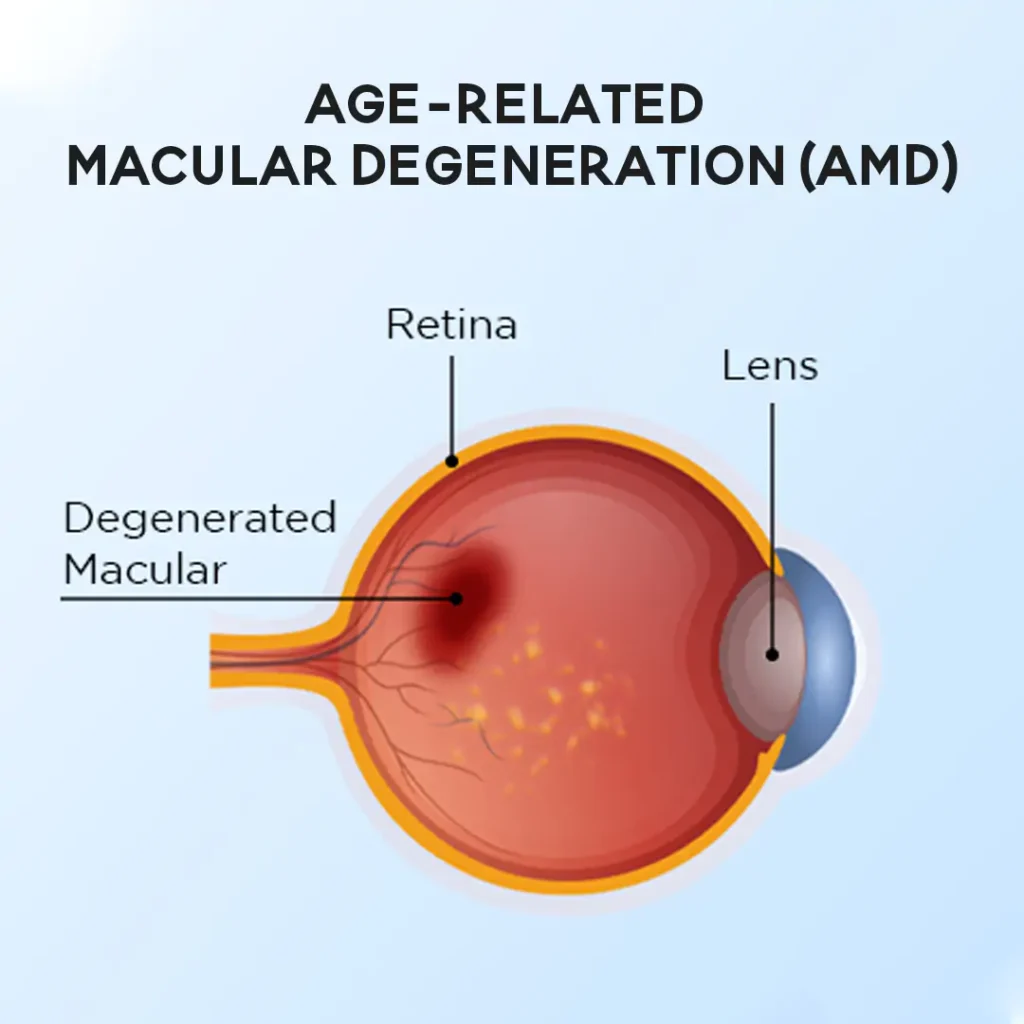
Age-Related Macular Degeneration, commonly known as AMD, is a condition that affects the macula, a small but important part of the retina located at the back of the eye. The macula is responsible for central vision, which allows you to read, recognize faces, watch television, and perform tasks that require fine detail.
When the macula becomes damaged, central vision gradually becomes blurry or distorted. However, side (peripheral) vision usually remains normal. This means people with AMD rarely become completely blind, but they may struggle with everyday activities that require clear central vision.
There are two main types of AMD:
- Dry AMD, which develops slowly over time.
- Wet AMD, which progresses more rapidly because of abnormal blood vessel growth beneath the retina.
Both forms require regular monitoring, although Wet AMD often needs prompt treatment to reduce the risk of permanent vision loss. Seeking Age-Related Macular Degeneration (AMD) Care in Faridabad as soon as symptoms appear can help preserve vision and improve long-term outcomes. A trusted Retina Specialist in Faridabad can identify the type of AMD and recommend the most appropriate treatment plan.
Why Does Age-Related Macular Degeneration (AMD) Develop?
AMD develops due to age-related changes in the macula. As people grow older, the retinal tissues gradually become less efficient, making the macula more vulnerable to damage. Although aging is the primary cause, several other factors increase the risk of developing AMD.
These include:
- Natural aging of retinal tissues
- Family history of AMD
- Smoking
- High blood pressure
- High cholesterol
- Obesity
- Poor nutrition
- Long-term exposure to ultraviolet (UV) light
- Lack of regular eye examinations
Genetics also plays an important role. If a close family member has AMD, your chances of developing the condition may be higher. While these risk factors cannot always be avoided, maintaining a healthy lifestyle and scheduling regular retinal examinations with a qualified Retina Specialist in Faridabad can help detect changes early and support timely Macular Degeneration Treatment in Faridabad. At Dr. Ruchi Eye Clinic, advanced retinal diagnostic technology allows early identification of retinal changes before noticeable vision loss occurs. This proactive approach supports better long-term eye health.
Who Has a Higher Risk of Developing AMD?
Although AMD can affect many older adults, certain individuals have a greater risk than others.
You may have a higher chance of developing AMD if you:
- Are over 50 years of age
- Have a family history of macular degeneration
- Smoke or have smoked in the past
- Have high blood pressure
- Are overweight or obese
- Eat an unhealthy diet
- Spend long hours in direct sunlight without UV protection
- Have high cholesterol
- Have cardiovascular disease
People with these risk factors should not wait until they notice vision changes. Routine retinal examinations allow early detection before central vision becomes significantly affected. At Dr. Ruchi Eye Clinic, every patient receives a personalized retinal assessment based on age, medical history, lifestyle, and family history. Dr. Ruchi carefully evaluates retinal health using advanced imaging technology to identify even the earliest signs of macular degeneration.
Patients looking for the Best Eye Clinic for Retina Care in Faridabad benefit from comprehensive eye examinations, ethical treatment recommendations, and long-term retinal monitoring tailored to their individual needs. If you experience blurred central vision, difficulty reading, or notice changes while recognizing faces, consult an experienced Retina Specialist in Faridabad without delay. Early diagnosis, regular follow-up, and timely Age-Related Macular Degeneration (AMD) Care in Faridabad can help protect your vision and maintain your quality of life as you age.
What Are the Early Warning Signs of Age-Related Macular Degeneration (AMD)?
The early symptoms of AMD are often mild and may develop gradually. Because the condition mainly affects central vision, many people do not realize that their eyesight is changing until daily activities become difficult.
If you notice any of the following symptoms, it is important to schedule a comprehensive eye examination without delay:
- Blurred central vision
- Difficulty reading small print
- Straight lines appearing wavy or distorted
- Dark or empty spots in the center of vision
- Trouble recognizing faces
- Reduced vision in dim lighting
- Colors appearing less bright than before
- Difficulty performing detailed tasks
These symptoms do not always mean you have AMD. However, they should never be ignored. Early diagnosis allows treatment to begin before significant vision loss occurs. If you experience any of these changes, consult an experienced Retina Specialist in Faridabad. Timely Age-Related Macular Degeneration (AMD) Care in Faridabad can help slow disease progression and preserve your central vision.
How Does a Retina Specialist in Faridabad Diagnose AMD?
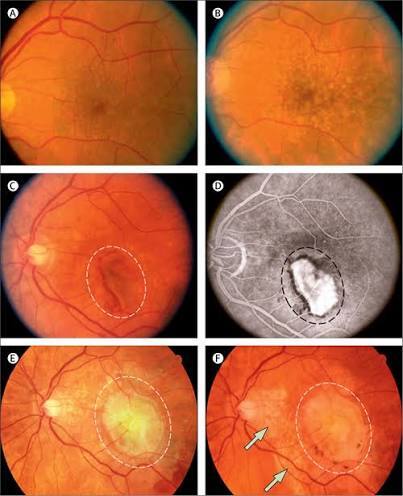
Diagnosing AMD requires a detailed retinal examination along with specialized imaging tests. A complete evaluation helps determine the type of AMD, the severity of retinal damage, and the most appropriate treatment plan. At Dr. Ruchi Eye Clinic, Dr. Ruchi performs a comprehensive assessment using advanced retinal diagnostic technology to identify even the earliest signs of macular degeneration.
Your examination may include:
- Review of medical and family history
- Vision assessment
- Comprehensive eye examination
- Dilated retinal examination
- OCT scan
- Fundus Imaging
- Amsler Grid Test
- Fluorescein Angiography (when required)
These tests provide valuable information about the health of the retina and help create a personalized treatment plan for Age-Related Macular Degeneration (AMD) Care in Faridabad.
What Is the Difference Between Dry AMD and Wet AMD?
Although both forms of AMD affect the macula, they progress differently and require different management approaches.
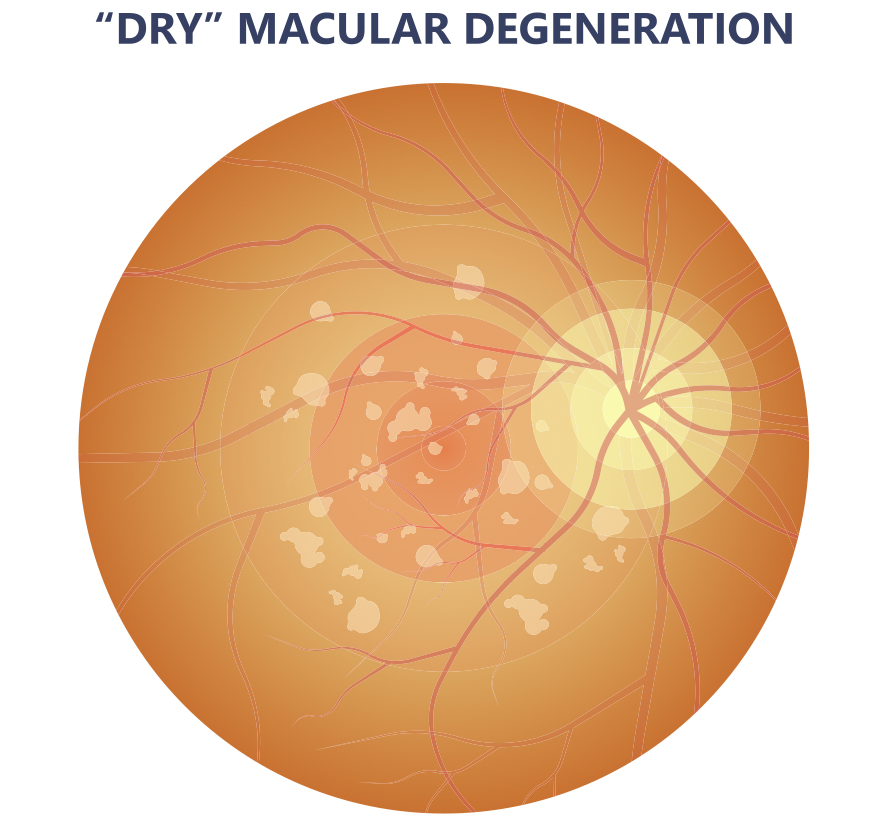
Dry AMD
Dry AMD is the most common form of the disease. It develops slowly as tiny yellow deposits called drusen build up beneath the retina. Over time, the macula becomes thinner, leading to gradual loss of central vision. Many patients with Dry AMD maintain useful vision for years with regular monitoring, healthy lifestyle changes, and nutritional support when appropriate.
Wet AMD
Wet AMD is less common but more serious. It occurs when abnormal blood vessels grow beneath the retina. These fragile blood vessels may leak blood or fluid, causing sudden damage to the macula. Without prompt Macular Degeneration Treatment in Faridabad, Wet AMD can lead to rapid and permanent central vision loss.
Key Differences Between Dry and Wet AMD
| Dry AMD | Wet AMD |
|---|---|
| Develops gradually | Can develop suddenly |
| More common | Less common |
| Slow vision changes | Rapid vision changes |
| Drusen deposits | Abnormal blood vessels |
| Usually monitored with lifestyle care and supplements | Often requires Anti-VEGF eye injections |
Regardless of the type, regular follow-up with a Retina Specialist in Faridabad is essential to monitor disease progression and adjust treatment when necessary.
Can Age-Related Macular Degeneration Be Prevented?
Although AMD cannot always be prevented, healthy lifestyle choices may reduce the risk or delay disease progression.
Helpful preventive measures include:
- Have regular comprehensive eye examinations.
- Stop smoking.
- Eat a balanced, nutrient-rich diet.
- Exercise regularly.
- Control diabetes, blood pressure, and cholesterol.
- Wear sunglasses that block UV rays.
- Monitor vision using an Amsler Grid if advised.
Routine retinal screening by a Retina Specialist in Faridabad helps detect AMD before noticeable vision loss occurs.
What Happens If AMD Is Left Untreated?
Ignoring AMD can lead to progressive central vision loss.
As the disease advances, patients may experience:
- Difficulty reading books and newspapers
- Trouble recognizing faces
- Problems driving safely
- Reduced ability to perform detailed work
- Loss of independence in daily activities
- Permanent central vision impairment
Although peripheral vision usually remains, untreated AMD can significantly affect quality of life. Seeking timely Age-Related Macular Degeneration (AMD) Care in Faridabad greatly improves the chances of preserving useful vision.
Frequently Asked Questions
Age-Related Macular Degeneration is an eye condition that damages the macula, the central part of the retina responsible for detailed vision. Early Age-Related Macular Degeneration (AMD) Care in Faridabad helps slow disease progression and protects your ability to read, recognize faces, and perform everyday activities.
Dry AMD develops gradually because of age-related retinal changes, while Wet AMD occurs when abnormal blood vessels grow beneath the retina. Wet AMD usually progresses faster and often requires Anti-VEGF injections as part of Macular Degeneration Treatment in Faridabad.
Yes. Without proper treatment, AMD may lead to permanent loss of central vision. Although side vision often remains normal, early diagnosis by a Retina Specialist in Faridabad helps reduce the risk of severe visual impairment.
There is currently no complete cure for AMD. However, regular monitoring, healthy lifestyle changes, nutritional support, and advanced treatments for Wet AMD can slow disease progression and help preserve vision for many years.
Adults above 50 years, smokers, people with high blood pressure, obesity, or a family history of AMD should undergo regular retinal examinations. Early screening allows timely Age-Related Macular Degeneration (AMD) Care in Faridabad before noticeable vision changes occur.