specialization
General Eye Disease Treatment
Protect Your Vision with Expert General Eye Disease Treatment in Faridabad
- Home
- General Eye Disease Treatment
Healthy eyes are essential for reading, driving, working, studying, and enjoying everyday life. Even a small eye problem can affect your comfort, productivity, and quality of life. While some eye conditions develop slowly over time, others may appear suddenly and require prompt medical attention. Seeking General Eye Disease Treatment in Faridabad at the right time can help prevent complications and protect your long-term vision.
At Dr. Ruchi Eye Clinic, patients receive comprehensive eye care under the guidance of Dr. Ruchi (MBBS, DOMS), who has more than 30 years of clinical experience in ophthalmology. Located in Sector 28, Rajendra Colony, Faridabad, the clinic combines advanced eye diagnostic technology, personalized patient care, and an ethical treatment approach to diagnose and manage a wide range of eye conditions.
Many common eye diseases can be treated successfully when detected early. Regular eye examinations allow an experienced Eye Specialist in Faridabad to identify problems before they become serious. Whether you need treatment for an eye infection, dry eyes, allergies, glaucoma, or another condition, timely General Eye Disease Treatment in Faridabad helps maintain healthy vision and supports better eye health for every stage of life.
What Is Primary Open-Angle Glaucoma?
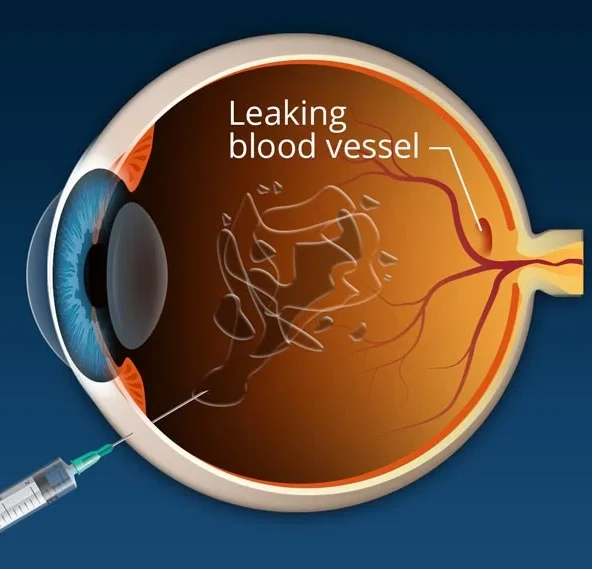
Primary Open-Angle Glaucoma (POAG) is the most common type of glaucoma. It is a chronic eye disease that gradually damages the optic nerve, which carries visual information from the eye to the brain. Normally, the eye continuously produces and drains a clear fluid called aqueous humor. When this drainage becomes less efficient, pressure inside the eye may slowly increase. Over time, this increased pressure can damage the optic nerve, resulting in gradual vision loss.
Unlike some other eye conditions, Primary Open-Angle Glaucoma usually develops without pain or redness. Most people do not notice any symptoms during the early stages because central vision often remains normal while peripheral vision slowly decreases. This is why Primary Open-Angle Glaucoma Treatment in Faridabad focuses strongly on early detection before significant vision loss occurs. With regular eye examinations and timely treatment, many patients continue to enjoy good vision throughout their lives.
What Are General Eye Diseases and Why Should You Take Them Seriously?
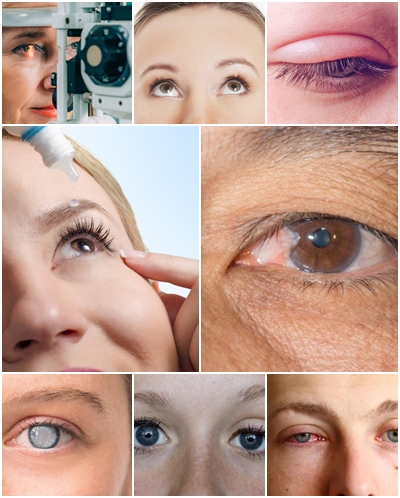
General eye diseases include a wide range of conditions that affect different parts of the eye, including the eyelids, cornea, conjunctiva, lens, retina, and optic nerve. Some conditions are mild and temporary, while others can lead to permanent vision loss if left untreated. Many eye diseases begin with simple symptoms such as redness, itching, or blurred vision. Because these symptoms often seem minor, people may delay seeking medical care. However, early diagnosis by a qualified Eye Doctor in Faridabad can help prevent serious complications.
General eye diseases can affect people of all ages, from children to older adults. Some develop because of infections or allergies, while others are linked to aging, diabetes, genetics, or long-term health conditions. Seeking General Eye Disease Treatment in Faridabad at the first sign of a problem allows appropriate treatment to begin early and improves the chances of maintaining healthy vision.
Which Common Eye Diseases Can Affect People of All Ages?
Many different eye conditions can affect children, adults, and older individuals. Understanding these common problems helps patients recognize symptoms early and seek timely medical care.
Conjunctivitis (Pink Eye)
Conjunctivitis is an inflammation of the thin membrane covering the white part of the eye. It may develop because of viral or bacterial infections, allergies, or environmental irritants.
Common symptoms include:
- Red eyes
- Watery eyes
- Itching
- Sticky discharge
- Mild swelling
Early treatment helps reduce discomfort and prevents the spread of infectious conjunctivitis.
Eye Allergies
Eye allergies occur when the eyes react to pollen, dust, pet dander, smoke, or other allergens.
Symptoms often include:
- Itching
- Redness
- Excessive watering
- Burning sensation
- Puffy eyelids
Avoiding allergens and following the treatment recommended by an Eye Specialist in Faridabad can help control symptoms effectively.
Dry Eye Disease
Dry eyes develop when the eyes do not produce enough healthy tears or when tears evaporate too quickly.
Patients may experience:
- Burning sensation
- Grittiness
- Blurred vision
- Eye fatigue
- Excessive tearing
Dry eye symptoms often become worse after prolonged screen use or exposure to dry environments.
Stye
A stye is a small, painful lump that develops near the edge of the eyelid because of a blocked oil gland or bacterial infection.
Most styes improve with proper care, but persistent swelling should be evaluated by an Eye Doctor in Faridabad.
Blepharitis
Blepharitis is a common condition that causes inflammation of the eyelid margins.
Patients may notice:
- Crusting around the eyelashes
- Red eyelids
- Burning
- Itching
- Eye irritation
Good eyelid hygiene and appropriate treatment help manage this long-term condition.
Cataracts
A cataract develops when the eye’s natural lens becomes cloudy.
Common symptoms include:
- Blurred vision
- Difficulty seeing at night
- Increased sensitivity to light
- Frequent changes in glasses
Although cataracts usually develop with age, early diagnosis allows proper monitoring and timely referral for surgery when necessary.
Why Do Eye Diseases Develop?
Eye diseases can develop for many different reasons. Some are related to aging, while others occur because of infections, chronic medical conditions, injuries, or environmental factors.
Common causes include:
- Natural aging
- Diabetes
- High blood pressure
- Allergies
- Bacterial or viral infections
- Long hours of screen use
- Excessive exposure to ultraviolet (UV) rays
- Eye injuries
- Family history of eye diseases
- Poor eye hygiene
Lifestyle habits also play an important role in maintaining healthy vision. Smoking, poor nutrition, uncontrolled diabetes, and lack of regular eye examinations can increase the risk of several eye conditions. Although many risk factors cannot be completely avoided, routine check-ups with an experienced Eye Specialist in Faridabad help detect problems before they affect your vision.
How Does an Eye Specialist in Faridabad Diagnose Eye Diseases?
Accurate diagnosis is the first step toward successful treatment. Since many eye diseases have similar symptoms, a detailed examination is essential before starting any medication or procedure. At Dr. Ruchi Eye Clinic, Dr. Ruchi performs a comprehensive eye evaluation using advanced eye diagnostic technology. The examination helps identify the exact cause of your symptoms and ensures that treatment is tailored to your specific condition.
Depending on your symptoms, the examination may include:
- Comprehensive eye examination
- Vision testing
- Slit-lamp examination
- Eye pressure testing (IOP)
- OCT scan (when required)
- Fundus Imaging
- Dry Eye Evaluation
- Visual Field Test
These investigations allow the doctor to evaluate both the front and back of the eye, helping detect conditions at an early stage and supporting effective General Eye Disease Treatment in Faridabad.
Which Advanced Eye Tests Help Detect Eye Diseases Early?
Modern diagnostic technology makes it possible to detect many eye diseases before noticeable vision loss occurs. Early diagnosis often allows treatment to begin sooner and improves long-term outcomes.
Comprehensive Eye Examination
A comprehensive eye examination is the foundation of good eye care. Your doctor checks your vision, reviews your symptoms and medical history, and carefully examines the overall health of your eyes. Regular examinations help detect problems even when no obvious symptoms are present.
Vision Testing
Vision testing measures how clearly you can see objects at different distances. It helps identify refractive errors such as myopia, hyperopia, astigmatism, and presbyopia while also providing valuable information about changes in overall visual function.
Slit-Lamp Examination
A slit-lamp is a special microscope that allows your eye doctor to examine the eyelids, cornea, conjunctiva, iris, lens, and other structures in detail. This test helps diagnose infections, dry eye disease, cataracts, corneal problems, and many other eye conditions.
Eye Pressure Testing (IOP)
Eye pressure testing measures the pressure inside your eyes. High eye pressure is one of the major risk factors for glaucoma. Although elevated pressure does not always mean glaucoma is present, regular monitoring helps detect patients who require further evaluation.
What Happens If Common Eye Diseases Are Left Untreated?
Ignoring eye symptoms may lead to avoidable complications.
Depending on the condition, untreated eye diseases may cause:
- Permanent vision loss
- Chronic eye infections
- Progressive glaucoma
- Corneal damage
- Reduced quality of life
- Long-term eye discomfort
- Permanent eye complications
Early General Eye Disease Treatment in Faridabad helps reduce these risks and improves long-term outcomes.
How Can You Keep Your Eyes Healthy Every Day?
Looking after your eyes every day is one of the best ways to preserve good vision.
Healthy habits include:
- Eating leafy green vegetables and fruits
- Staying hydrated
- Following the 20-20-20 rule during screen use
- Wearing protective eyewear
- Getting enough sleep
- Managing chronic diseases
- Avoiding self-medication
- Having routine comprehensive eye examinations
These simple steps can help maintain healthy vision throughout life.
Frequently Asked Questions
Visit an Eye Doctor in Faridabad if you experience blurred vision, redness, eye pain, excessive watering, floaters, double vision, or sudden changes in eyesight. Early evaluation allows timely treatment and helps reduce the risk of permanent vision problems.
Yes. Some untreated eye conditions, such as glaucoma, severe infections, or retinal diseases, may lead to permanent vision loss. Early General Eye Disease Treatment in Faridabad greatly improves the chances of protecting your eyesight and preventing long-term complications.
Adults should generally have a comprehensive eye examination every one to two years. People with diabetes, glaucoma, high blood pressure, or existing eye conditions may need more frequent check-ups as advised by their ophthalmologist.
A comprehensive eye examination may include vision testing, slit-lamp examination, eye pressure testing, retinal evaluation, OCT, Fundus Imaging, Dry Eye Evaluation, and Visual Field Testing depending on your symptoms and overall eye health.
Dr. Ruchi Eye Clinic offers comprehensive eye examinations, advanced diagnostic technology, personalized patient care, and an ethical treatment approach. Patients receive individualized management plans designed around their diagnosis, helping them achieve the best possible long-term eye health.