
specialization
Primary Open-Angle Glaucoma Treatment
Protect Your Vision with Early Primary Open-Angle Glaucoma Treatment in Faridabad
- Home
- Primary Open-Angle Glaucoma Treatment
Healthy eyesight plays an important role in every stage of life. However, many eye diseases develop slowly and do not show obvious symptoms in the beginning. One such condition is glaucoma, often called the “silent thief of sight.” If left untreated, it can gradually damage the optic nerve and lead to permanent vision loss. Fortunately, Primary Open-Angle Glaucoma Treatment in Faridabad can help slow the progression of the disease and preserve your eyesight through early diagnosis and proper care.
At Dr. Ruchi Eye Clinic, patients receive comprehensive glaucoma evaluation and personalized treatment under the guidance of Dr. Ruchi Pahuja (MBBS, DOMS), who brings over 30 years of clinical experience in ophthalmology. Located in Sector 28, Rajendra Colony, Faridabad, the clinic combines compassionate patient care with modern diagnostic technology to detect glaucoma at an early stage and monitor it effectively.
If you have a family history of glaucoma, diabetes, high eye pressure, or are over the age of 40, regular eye examinations are essential. Consulting a trusted Glaucoma Specialist in Faridabad can make a significant difference in protecting your vision for the future.
What Is Primary Open-Angle Glaucoma?
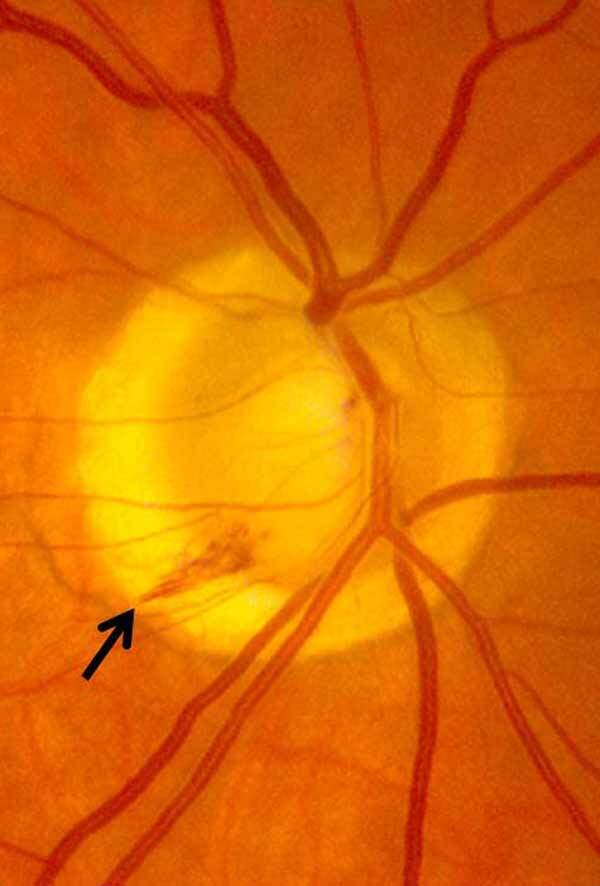
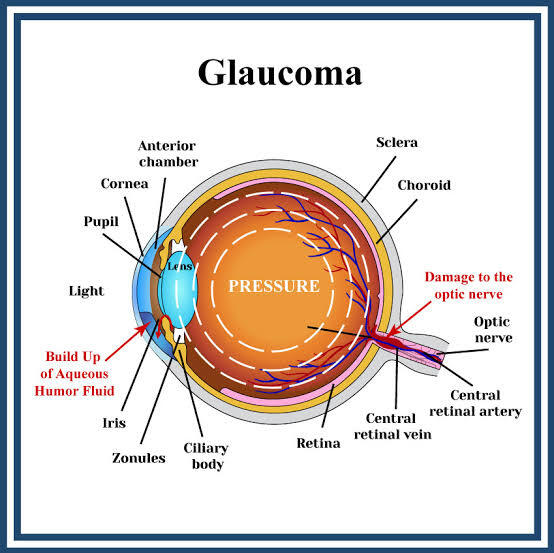
Primary Open-Angle Glaucoma (POAG) is the most common type of glaucoma. It is a chronic eye disease that gradually damages the optic nerve, which carries visual information from the eye to the brain. Normally, the eye continuously produces and drains a clear fluid called aqueous humor. When this drainage becomes less efficient, pressure inside the eye may slowly increase. Over time, this increased pressure can damage the optic nerve, resulting in gradual vision loss.
Unlike some other eye conditions, Primary Open-Angle Glaucoma usually develops without pain or redness. Most people do not notice any symptoms during the early stages because central vision often remains normal while peripheral vision slowly decreases. This is why Primary Open-Angle Glaucoma Treatment in Faridabad focuses strongly on early detection before significant vision loss occurs. With regular eye examinations and timely treatment, many patients continue to enjoy good vision throughout their lives.
Why Does Primary Open-Angle Glaucoma Develop?
Doctors do not always know the exact reason why Primary Open-Angle Glaucoma develops. However, several factors increase the risk of developing this condition. The most common cause is poor drainage of fluid inside the eye. Although the drainage angle remains open, the drainage system becomes less effective over time. As a result, eye pressure may gradually increase and damage the optic nerve. Several other factors may also contribute to glaucoma.
These include:
- Family history of glaucoma
- Increased eye pressure (IOP)
- Age above 40 years
- Diabetes
- High blood pressure
- Thin corneas
- Severe near-sightedness (myopia)
- Long-term steroid use
- Previous eye injuries
Not everyone with high eye pressure develops glaucoma, and some patients with normal eye pressure may still develop optic nerve damage. Therefore, a complete eye examination by an experienced Glaucoma Doctor in Faridabad is essential for an accurate diagnosis. Early diagnosis allows treatment to begin before vision loss becomes severe.
Who Is Most at Risk of Primary Open-Angle Glaucoma?
Although anyone can develop glaucoma, some people have a much higher risk than others.
You may be more likely to develop Primary Open-Angle Glaucoma if you:
- Are over 40 years of age
- Have parents or siblings with glaucoma
- Have diabetes or hypertension
- Have high eye pressure
- Use steroid medicines for a long time
- Have a history of eye trauma
- Are highly near-sighted
- Have thin corneas
People with these risk factors should never skip regular eye check-ups. Even if your eyesight seems normal, glaucoma may already be affecting your optic nerve without noticeable symptoms. Visiting a qualified Glaucoma Specialist in Faridabad for routine screening helps detect the disease before permanent damage occurs. At Dr. Ruchi Eye Clinic, every glaucoma assessment is carefully planned according to the patient’s age, medical history, family history, and individual eye health. Dr. Ruchi Pahuja (MBBS, DOMS) believes in providing personalized patient care rather than a one-size-fits-all approach.
Using modern diagnostic technology, the clinic evaluates eye pressure, optic nerve health, and other important factors that help identify glaucoma at an early stage. This patient-focused approach has made the clinic a trusted destination for individuals seeking Primary Open-Angle Glaucoma Treatment in Faridabad and long-term glaucoma care. Early detection remains the most effective way to preserve vision. If you have any risk factors or have not had a comprehensive eye examination in the past year, scheduling an appointment with a Glaucoma Doctor in Faridabad can be an important step toward protecting your eyesight.
What Are the Early Warning Signs You Should Never Ignore?
One of the biggest challenges with glaucoma is that it often develops without noticeable symptoms. In its early stages, most people experience no pain, redness, or sudden vision changes. As a result, many patients are diagnosed only after permanent damage has already occurred.
As the disease progresses, you may notice subtle changes in your vision, such as:
- Gradual loss of side (peripheral) vision
- Difficulty seeing in dim light
- Trouble adjusting between bright and dark environments
- Blurred vision during advanced stages
- Frequent changes in glasses prescription
- Difficulty noticing objects beside you while walking or driving
These symptoms usually appear slowly. Therefore, they are easy to ignore or mistake for normal aging. If you experience any unusual changes in your vision, it is important to consult a qualified Glaucoma Doctor in Faridabad without delay. Early evaluation can help detect glaucoma before significant vision loss occurs. At Dr. Ruchi Eye Clinic, every patient receives a detailed eye examination to identify even the earliest signs of optic nerve damage. This careful approach makes Primary Open-Angle Glaucoma Treatment in Faridabad more effective and helps preserve vision for years to come.
How Does Glaucoma Slowly Affect Your Vision?
The optic nerve acts like a cable that carries visual information from your eyes to your brain. When glaucoma damages this nerve, the communication between the eye and the brain gradually becomes weaker. Unlike many other eye diseases, glaucoma usually begins by affecting peripheral vision rather than central vision. This means you may continue reading, watching television, or using your phone without realizing that your side vision is slowly disappearing.
As the disease advances:
- Side vision becomes narrower.
- Walking in crowded places becomes difficult.
- Driving may become unsafe.
- You may bump into objects without noticing them.
- In advanced stages, only tunnel vision may remain.
Unfortunately, vision already lost because of glaucoma cannot be restored. This is why Primary Open-Angle Glaucoma Treatment in Faridabad focuses on preventing further damage instead of recovering lost eyesight. Regular monitoring by an experienced Glaucoma Specialist in Faridabad allows doctors to detect changes early and adjust treatment whenever necessary.
What Are the Best Treatment Options for Primary Open-Angle Glaucoma Treatment in Faridabad?
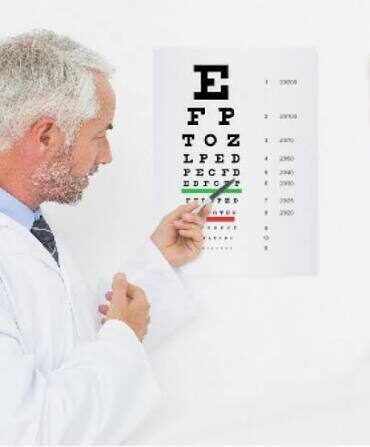
The primary goal of Primary Open-Angle Glaucoma Treatment in Faridabad is to lower eye pressure and prevent further damage to the optic nerve. Although glaucoma cannot be cured, timely treatment can slow or stop its progression, allowing many people to maintain useful vision throughout their lives.
At Dr. Ruchi Eye Clinic, Dr. Ruchi Pahuja (MBBS, DOMS) develops a personalized treatment plan based on the patient’s age, eye pressure, optic nerve condition, visual field results, and overall eye health. Every patient receives individualized care to achieve the best possible long-term outcome.
Eye Drops
Prescription eye drops are usually the first line of treatment for glaucoma. These medicines either reduce the production of fluid inside the eye or improve its drainage, helping lower eye pressure. Patients should use eye drops exactly as prescribed and avoid skipping doses. Even if vision seems normal, regular use is essential because glaucoma often progresses silently. During follow-up visits, a Glaucoma Doctor in Faridabad checks whether the medication is effectively controlling eye pressure and makes adjustments if required.
Laser Treatment
When eye drops alone do not provide adequate control, laser treatment may be recommended. Laser procedures improve the drainage of fluid from the eye, reducing intraocular pressure without major surgery. The procedure is generally quick, performed on an outpatient basis, and allows most patients to return home the same day. Your Glaucoma Specialist in Faridabad will explain whether laser treatment is appropriate for your condition.
Surgery
If glaucoma continues to progress despite medication and laser treatment, surgery may become necessary. Surgical procedures create a new drainage pathway to lower eye pressure and protect the optic nerve. Modern glaucoma surgery is planned carefully after a detailed examination. At Dr. Ruchi Eye Clinic, every surgical recommendation is made only when medically necessary, ensuring ethical and patient-focused care.
Can Primary Open-Angle Glaucoma Be Prevented?
There is no guaranteed way to prevent Primary Open-Angle Glaucoma. However, early detection greatly reduces the risk of severe vision loss. People over 40 years of age, those with diabetes, high eye pressure, or a family history of glaucoma should schedule regular comprehensive eye examinations. Early diagnosis allows treatment to begin before permanent damage occurs. Routine screening by a trusted Glaucoma Doctor in Faridabad remains one of the most effective ways to protect your eyesight.
What Happens If Glaucoma Is Left Untreated?
Untreated glaucoma gradually damages the optic nerve. Initially, side vision decreases, but as the disease progresses, central vision may also become affected. Eventually, severe and irreversible blindness can occur. The vision already lost due to glaucoma cannot be restored. Therefore, seeking Primary Open-Angle Glaucoma Treatment in Faridabad as early as possible is essential. Prompt diagnosis, regular monitoring, and appropriate treatment significantly improve the chances of preserving vision.
Frequently Asked Questions
Primary Open-Angle Glaucoma is a chronic eye disease that gradually damages the optic nerve, usually due to increased eye pressure. Early diagnosis and Primary Open-Angle Glaucoma Treatment in Faridabad can help slow disease progression and preserve vision.
No. Glaucoma cannot be cured, but it can be effectively managed. Regular treatment, follow-up visits, and guidance from a qualified Glaucoma Specialist in Faridabad help reduce the risk of further vision loss.
Yes. People with a parent or sibling who has glaucoma are at a higher risk. Regular screening by a Glaucoma Doctor in Faridabad is recommended for individuals with a family history of the disease.
Normal eye pressure usually ranges between 10 and 21 mmHg. However, glaucoma may occur even with normal pressure, which is why comprehensive eye examinations are important.
The frequency depends on the severity of the condition. Most patients require follow-up every three to six months, although your ophthalmologist may recommend a different schedule.